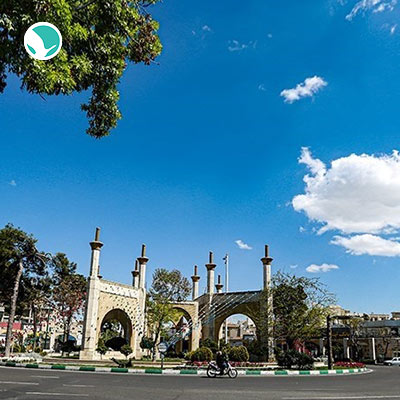
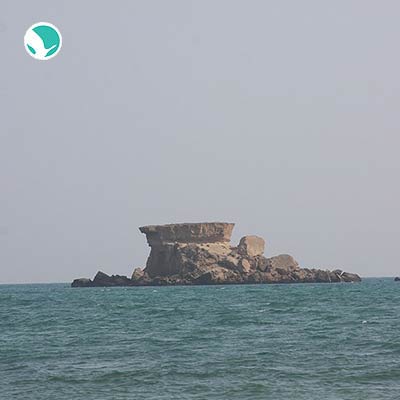
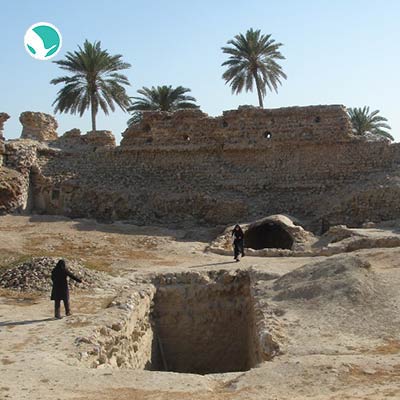
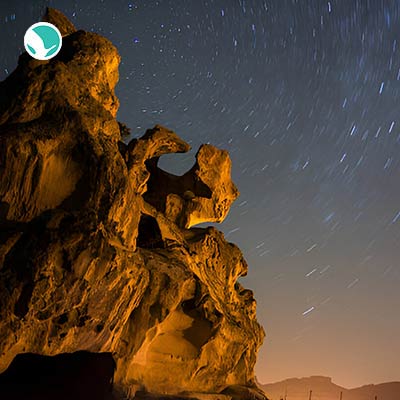
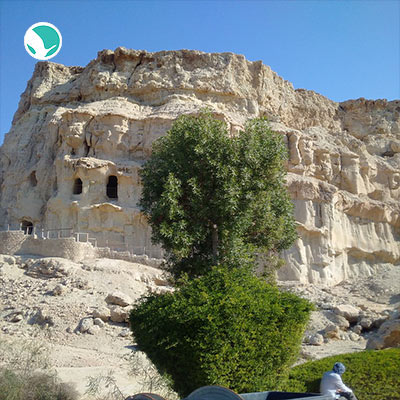
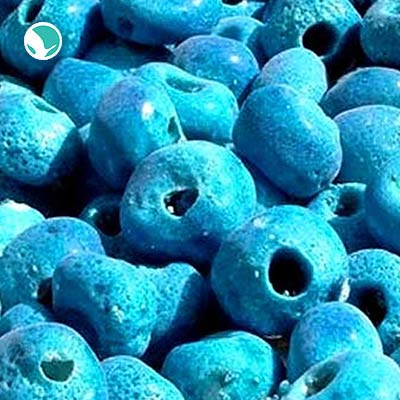
The historic Khorbas cave is located 15 km south of Qeshm Island, dating back to the Medes. If you want to try a new experience, it's better to travel to this mysterious cave.Read more
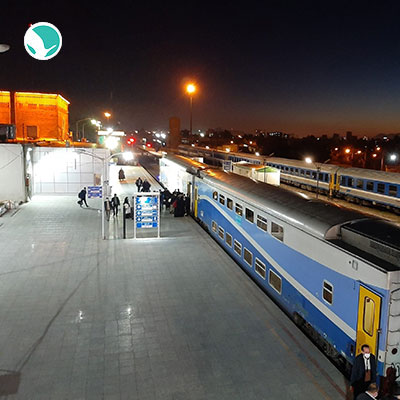
Qom railway station is located in Qom, the capital of Qom province. Qom is 140 Km south of Tehran, and due to the shrine of Fatimah bint Musa, sister of Imam Reza, the eighth Imam of Shi'a Muslims, Qom hosts around 20 million Shi'a pilgrims, most of them are Iraninan, every year. Qom railway station is on the way of two main train lines one of which scratches from the south or the east-south of Iran to Tehran and the other one scratc...Read more
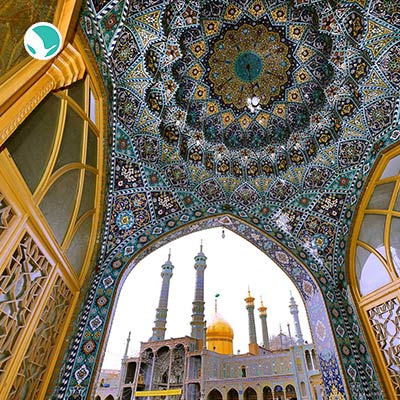
The central destination of religious tourism in Qom is the Fatima Masumeh Shrine (S), and also the second pilgrimage center of the country after the holy Mashhad. Read more
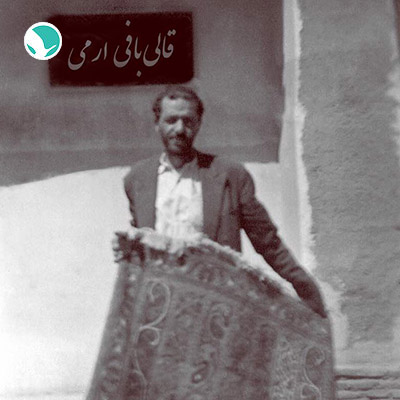
The weaving carpet industry is one of the most important industries in Qom, which dates back to the twentieth century and began to produce the luxurious silk and wool handmade carpets. Read more
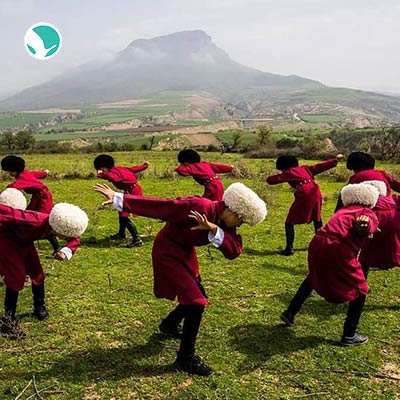
The vast territory of Iran consists of tribes that scattered throughout Iran. In the northeast of Iran, a tribe calls the Turkmen people who have their own unique culture and clothes.Read more
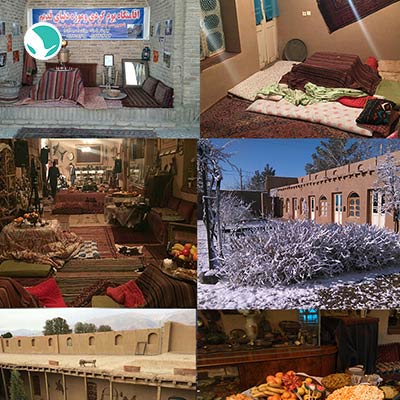
Welcome to the old world! The Donyaye Qadim (old word) boarding house is the kind of place that you experience once and long forever. By staying at this house, it takes you back to the old world.Read more
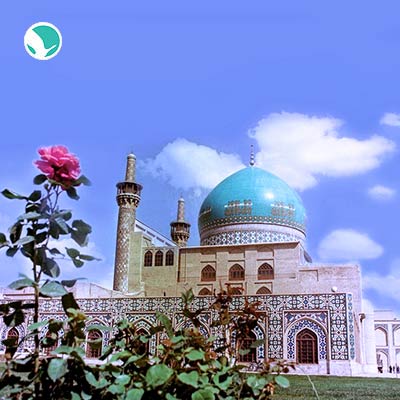
The Goharshad mosque is one of the interesting places in the Holy Shrine of Imam Reza. Because of its traditional architectural style, elegant carving, gorgeous tiles, and grandeur dome, the mosque becomes a tourist destination of Mashhad city.Read more
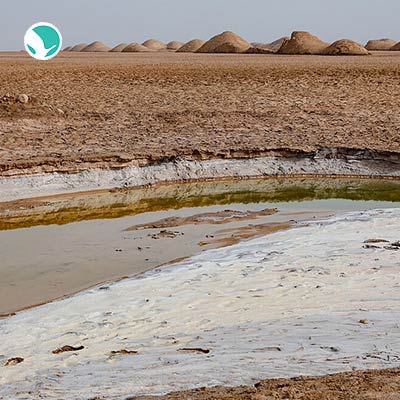
Kalshour River or Shor river (salty river) is the only permanent river in the heart of the Lut Desert which is full of water over the course of the year. Kalshour River is another landmark of the Lut desert in Kerman province. Read more
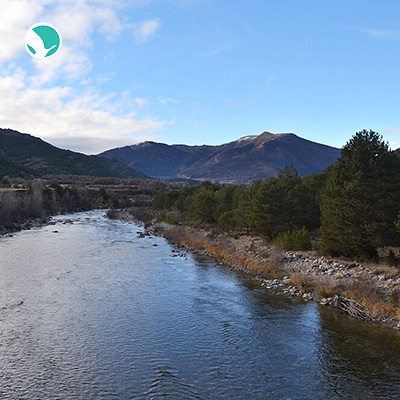
Aras is a river in and along with the countries of Iran, Armenia, Azerbaijan, and Turkey. Aras gained significance as a geographic political boundary. Read more
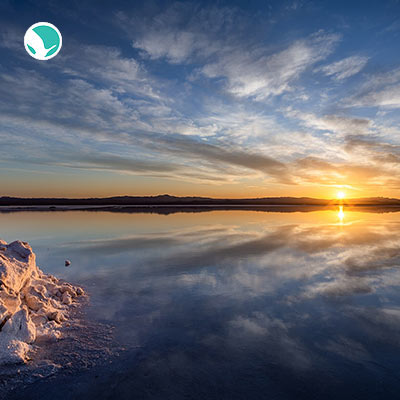
One of the impressive nature of Iran is its seductive landscape of salt lakes. Seasonal or permanent lakes that are covered with salt, and create a spectacular panorama of their platforms.Read more
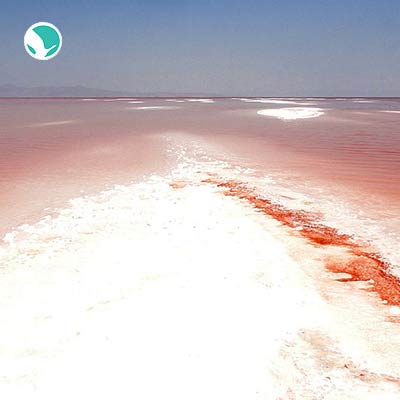
Hoz-e Soltan Salt Lake is located on the 40km north of central Iranian city of Qom, 85km south of Tehran. The Lake, which is also known as Saveh-Qom Lake and Shahi Lake, has an area of 240 square kilometres, and is bound by Alborz Mountain Chain in the north.Read more
Sanandaj Museum is known as Salar Saeid Mansion; you will see some ancient objects that discovered from all over Iran at this historical place.Read more
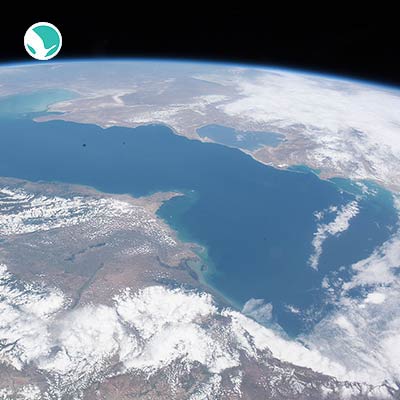
The Caspian Sea is the largest enclosed inland body of water on the earth by area, variously classed as the world's largest lake or a full-fledged sea.Read more
In Semnan, there is an ancient, old and half-ruined tower known as the tower of forty girls. This old building dates back to pre-Islamic times.Read more
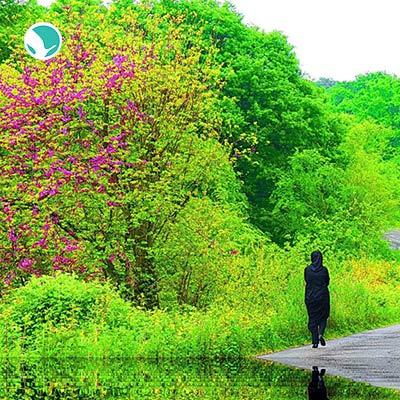
If you are a botanical buff, Abr Jungle (Clouds Forest) is the best choice. You will see a part of the oldest Caspian Hyrcanian mixed forests with rare animal and plant species.Read more
We want to introduce you, one of the largest and oldest national parks and protected areas of Iran known as Kavir National Park. Kavir is the Persian equivalent of Desert in English.Read more
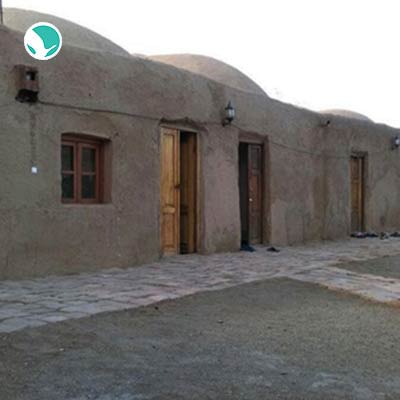
Kalut Desert Local House is one of the best places for tasting the cons and pros of the living in the proximity of the desert and best chance for those who want to get familiar with the local lifestyle.Read more
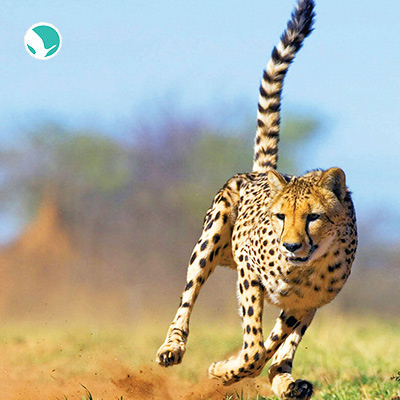
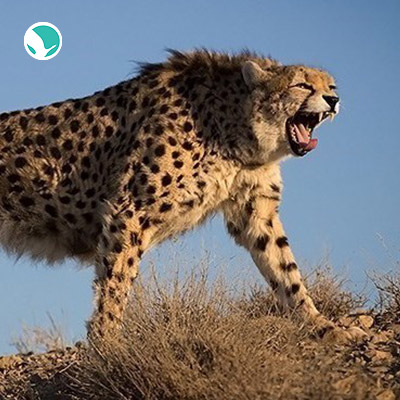
Asiatic cheetah (Acinonyx jubatus venaticus) is now one of the most endangered members of the family Felidae in the world. Over the past 30 years, Iran has been the last stronghold for the Asiatic cheetah, known in Iran as Yuz.Read more
“Oh! Squander not this breath that Heaven hath lent thee, Nor make too sure another breath to borrow!’”Khayam